


Acrylic is one of the most widely used transparent plastics in modern manufacturing. Known scientifically as Polymethyl Methacrylate (PMMA), acrylic offers an excellent combination of optical clarity, weather resistance, lightweight performance, and ease of fabrication. Because of these advantages, acrylic has become a popular alternative to glass in industries ranging from construction and automotive to medical devices and consumer electronics.
Whether used for display panels, machine guards, lighting components, or custom CNC-machined parts, acrylic provides designers and manufacturers with a versatile material capable of meeting both functional and aesthetic requirements.
This guide explores the key properties of acrylic, its major advantages, common types, and the industries that rely on this highly adaptable plastic material.
What Is Acrylic?
Acrylic, also known as PMMA (Polymethyl Methacrylate), is a transparent thermoplastic developed as a lightweight and shatter-resistant substitute for glass. It is manufactured through the polymerization of methyl methacrylate (MMA) monomers and is available in sheet, rod, tube, film, and custom-molded forms.
One of acrylic’s most notable characteristics is its exceptional transparency. In fact, acrylic can transmit up to 92% of visible light, which is higher than many types of glass.
In addition to its optical performance, acrylic offers excellent weather resistance, making it suitable for both indoor and outdoor applications.
Key Material Properties of Acrylic
Acrylic is highly favored for its high transparency, strength, and versatility, making it an ideal material for displays, lighting, protective shields, and engineering components. Understanding its key material properties helps determine the optimal application areas for acrylic and explains its widespread use across various industries.
Optical Transparency (with a light transmittance of up to 92%)
Acrylic boasts exceptional optical transparency, with a light transmittance of up to 92%, surpassing most glass materials. This outstanding clarity makes it an ideal choice for signage, display cases, lenses, and lighting panels, maintaining superior transparency even after CNC machining or polishing.
Impact Resistance (strength is 10-17 times that of glass)
Acrylic has far superior impact resistance compared to glass, with strength 10 times that of ordinary glass, and modified grades can even reach 17 times. It is resistant to breakage, making it suitable for protective barriers, machine guards, museum display cases, and applications requiring both transparency and durability.
Light Weight Structure (50% lighter than glass)
The weight of acrylic panels is only half that of glass, making them easier to transport, hoist, and install. This lightweight advantage is particularly important for large signage systems, architectural panels, and retail displays, as reducing weight enhances maneuverability and safety.
UV Resistance And Weather Resistance
Acrylic panels can resist ultraviolet radiation and long-term weathering while maintaining transparency and preventing yellowing. This durability makes them a reliable choice for outdoor signage, skylights, boat panels, and outdoor lighting components that must withstand harsh environmental conditions.
Temperature Stability
Acrylic boards exhibit excellent performance under temperature variations, with a typical operating temperature range of -20°C to 80°C. They resist deformation or cracking during thermal cycling, making them widely used in fields requiring frequent temperature changes, such as medical equipment, laboratory devices, and food service components.
Chemical Resistance
Acrylic resin is resistant to corrosion by various acids, salts, and cleaning agents, making it suitable for laboratory manifolds, microfluidic components, and equipment housings. Its chemical stability facilitates easy cleaning and disinfection without causing material degradation.
Processability And Formability
As a thermoplastic material, acrylic resin softens when heated and hardens upon cooling, enabling precise CNC machining, laser cutting, thermoforming, bending, and polishing. With excellent dimensional stability and a smooth surface finish, it is an ideal material for custom display components, engineering prototypes, and architectural designs.
Chemical Properties Of Acrylic Resin
The chemical properties of acrylic resins play a crucial role in their durability, transparency, and versatility. As a polymer made from methyl methacrylate (MMA), acrylic resin forms long molecular chains, resulting in a robust and stable thermoplastic material. These chemical characteristics make acrylic resins suitable for applications in signage, medical devices, lighting, and fluid handling.
The raw material of acrylic resin has a smooth surface and optical transparency
Polymer Structure And MMA Composition
Acrylic resin (PMMA) is produced by polymerizing methyl methacrylate monomers into long repeating chains. This structure imparts rigidity, exceptional transparency, and robust resistance to environmental stress. Its chemical formula C₅H₈O₂ explains why it maintains optical purity without yellowing over time.
High Chemical Resistance
Acrylic resin is resistant to a variety of chemicals, including dilute acids, dilute alkalis, detergents, and salts. This makes it suitable for laboratory manifolds, display covers, food containers, and microfluidic devices. However, strong solvents (such as acetone and alcohols) may cause surface cracking or whitening.
Hydrophobicity And Water Resistance
Acrylic resin possesses inherent hydrophobicity, meaning it neither absorbs moisture nor swells in humid environments. This ensures that acrylic resin signage, display cases, and outdoor panels remain stable in wet or rainy conditions, preventing degradation, warping, or fogging.
Thermal sensitivity and operating temperature range
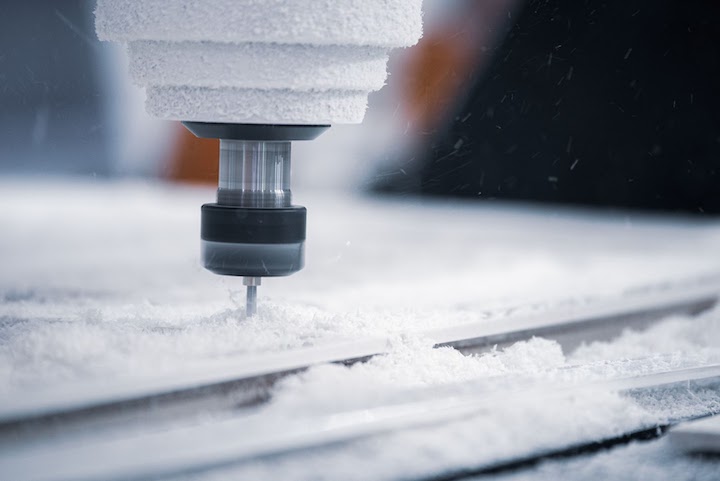
Acrylic resin softens when heated, with a melting point of approximately 160°C and a heat deflection temperature close to 95°C. While it handles common temperature variations well, extreme high temperatures can cause deformation. Based on my CNC machining experience, maintaining coolant flow and a slow feed rate can prevent thermal cracking during milling.
UV Stability And Weather Resistance
Unlike many plastics, acrylic resin possesses strong natural resistance to ultraviolet radiation. It is resistant to yellowing or degradation, making it highly suitable for use in sunroofs, outdoor signage, machine protective covers, and aquarium windows. UV-modified PMMA panels can last over 10 years outdoors.
Electrical And Electrostatic Properties
Acrylic is an electrical insulator, making it suitable for electronic enclosures, lighting diffusers, and protective covers. In the automated equipment I’ve worked with, anti-static acrylic sheets are commonly used, as they reduce dust adhesion, thereby improving transparency and product performance.
Advantages of Acrylic Material
The widespread use of acrylic can be attributed to several important advantages.
One major benefit is its combination of transparency and durability. Designers can achieve the appearance of glass while reducing weight and improving impact resistance.
Another advantage is its excellent surface finish. Acrylic can be polished to a high-gloss appearance, making it ideal for products where aesthetics are important.
The material also offers outstanding design flexibility. It can be machined, thermoformed, laser-cut, engraved, bonded, and printed with relative ease.
In addition, acrylic provides long-term weather resistance, making it a cost-effective solution for outdoor applications such as signs, skylights, and protective covers.
Industrial Applications of Acrylic
Thanks to its versatility, acrylic is used across numerous industries.
In architecture and construction, acrylic is commonly found in skylights, windows, partitions, and decorative panels.
The automotive industry uses acrylic for lighting lenses, instrument covers, and interior components.
Medical equipment manufacturers utilize acrylic for transparent housings, diagnostic devices, and protective shields.
In retail environments, acrylic is widely used for product displays, signage, shelving, and advertising fixtures.
Electronics manufacturers rely on acrylic for display screens, protective covers, and optical components.
Acrylic is also frequently used in CNC machining projects where precise dimensions, transparency, and attractive surface finishes are required.
CNC Machining Considerations for Acrylic
Acrylic is considered one of the most machinable transparent plastics. However, achieving high-quality results requires proper machining techniques.
Sharp cutting tools, optimized spindle speeds, and effective chip evacuation are essential to prevent cracking, melting, or poor surface finishes.
For best results, manufacturers often use O-flute cutters or polished carbide tools specifically designed for plastic machining.
Additional finishing processes such as flame polishing, vapor polishing, or mechanical polishing can further enhance transparency and edge quality.
Limitations of Acrylic
Despite its many advantages, acrylic does have certain limitations.
Compared with polycarbonate, acrylic is more brittle and can crack under severe impact. It is also susceptible to scratching if not properly protected.
The material’s heat resistance is moderate, making it less suitable for applications involving continuous exposure to high temperatures.
Certain solvents and chemicals can also cause stress cracking if compatibility is not carefully evaluated.
Conclusion
Acrylic, or PMMA, is one of the most versatile transparent plastics available today. Its exceptional optical clarity, lightweight construction, weather resistance, and ease of fabrication make it an ideal material for a wide range of industrial and commercial applications.
Whether used in architectural glazing, retail displays, medical equipment, automotive components, or CNC-machined parts, acrylic provides an excellent balance of aesthetics, performance, and cost-effectiveness.
By understanding the different types of acrylic, their properties, advantages, and processing considerations, engineers and manufacturers can select the most suitable material solution for their specific application requirements.