


When selecting materials for CNC machining, copper and aluminum are two commonly used options, especially in industries such as electronics, automotive, and industrial manufacturing. Both materials offer unique advantages, but they also present different machining behaviors, costs, and performance characteristics.
Choosing the right material is not just about mechanical properties—it also affects machining efficiency, surface quality, and overall production cost. Understanding the differences between copper and aluminum helps engineers and buyers make more informed decisions.
Overview of Copper and Aluminum
Copper is well known for its excellent electrical and thermal conductivity. It is widely used in electrical components, heat exchangers, and applications where efficient energy transfer is required. Copper also offers good corrosion resistance and durability.
Aluminum, on the other hand, is valued for its lightweight nature, good strength-to-weight ratio, and excellent machinability. It is one of the most popular materials in CNC machining due to its ease of cutting and ability to achieve smooth surface finishes.
While both materials are widely used, their performance differs significantly depending on the application.
Machinability Comparison
From a machining perspective, aluminum is significantly easier to work with than copper.
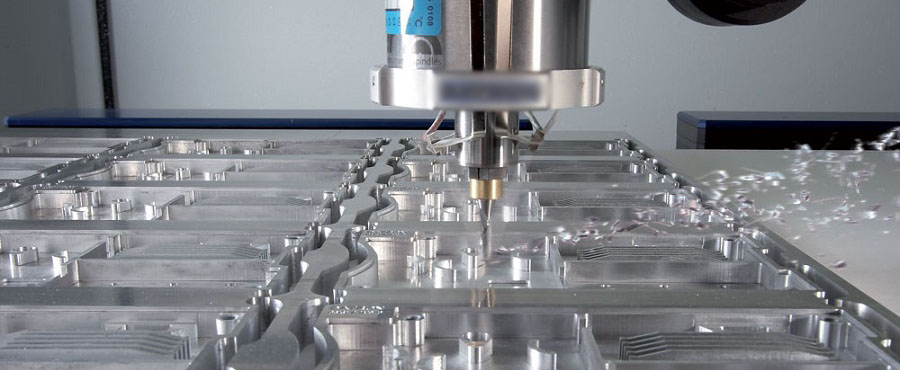
Aluminum allows for high cutting speeds, efficient chip removal, and reduced tool wear. Its softer structure enables faster production cycles and lower machining costs.
Copper is more challenging to machine due to its ductility and tendency to produce long, stringy chips. These chips can interfere with the cutting process and require careful chip control. Copper also tends to stick to cutting tools, increasing the risk of built-up edge (BUE) and affecting surface finish.
As a result, machining copper typically requires optimized cutting parameters, specialized tooling, and more attention to process control.
Thermal and Electrical Conductivity
One of the most important advantages of copper is its superior conductivity.
Copper has significantly higher electrical and thermal conductivity than aluminum, making it the preferred choice for:
- Electrical connectors and busbars
- Heat sinks and cooling systems
- Power transmission components
Aluminum also offers good conductivity, but it is lower compared to copper. However, aluminum is often used as a cost-effective alternative in applications where slightly reduced performance is acceptable.
Strength and Weight Considerations
Aluminum is much lighter than copper, which makes it ideal for applications where weight reduction is critical.
In industries such as aerospace and automotive, reducing weight can improve fuel efficiency and overall performance. Aluminum provides a good balance between strength and weight, especially in alloys such as 6061 and 7075.
Copper, while strong and durable, is significantly heavier. This limits its use in weight-sensitive applications but makes it suitable for components where mass and stability are beneficial.
Surface Finish and Post-Processing
Aluminum generally produces better surface finishes during machining. Its properties allow for smooth cutting and minimal tool marks when proper parameters are used.
Copper can achieve good finishes as well, but it often requires more careful control of cutting conditions. Issues such as material smearing and tool adhesion can affect the final surface quality.
Both materials support various post-processing options, including polishing, plating, and coating. Aluminum is commonly anodized to improve corrosion resistance and appearance, while copper may be plated or treated to prevent oxidation.
Corrosion Resistance
Both copper and aluminum offer good corrosion resistance, but their behavior differs.
Aluminum naturally forms a protective oxide layer that helps prevent further corrosion. This makes it suitable for outdoor and industrial environments.
Copper also resists corrosion and develops a natural patina over time. In some applications, this patina is desirable, while in others, protective coatings may be applied to maintain appearance and performance.
Cost Considerations
Cost is a key factor in material selection.
Aluminum is generally more affordable than copper, both in terms of raw material cost and machining cost. Its ease of machining reduces production time and tooling expenses.
Copper is more expensive and more difficult to machine, which increases overall production costs. However, its superior conductivity may justify the higher cost in specific applications.
From a procurement perspective, the choice often depends on whether performance requirements outweigh cost considerations.
Typical Applications
Copper Applications:
- Electrical components and connectors
- Heat exchangers and cooling systems
- Power transmission equipment
Aluminum Applications:
- Aerospace and automotive components
- Structural parts and enclosures
- Consumer products and industrial equipment
Each material excels in different scenarios, making application requirements the primary factor in selection.
How to Choose Between Copper and Aluminum
Choosing between copper and aluminum depends on several key factors:
- Performance requirements:Copper for maximum conductivity; aluminum for balanced performance
- Weight considerations:Aluminum is preferred for lightweight designs
- Machining efficiency: Aluminum offers faster and more cost-effective machining
- Budget constraints: Aluminum is generally more economical
- Environmental conditions: Both materials offer good corrosion resistance, with different characteristics
From an engineering standpoint, aluminum is often chosen for general machining applications, while copper is selected for specialized uses where conductivity is critical.
Conclusion
Copper and aluminum each offer distinct advantages in CNC machining. Aluminum stands out for its machinability, lightweight properties, and cost efficiency, making it ideal for a wide range of applications. Copper, on the other hand, provides unmatched electrical and thermal conductivity, making it essential for high-performance electrical and thermal systems.
Understanding the differences between these materials allows engineers and buyers to make informed decisions based on performance, cost, and production requirements. Selecting the right material ultimately leads to better product performance and more efficient manufacturing processes.