


Stainless steel is widely used in industries such as aerospace, medical, automotive, and industrial manufacturing due to its excellent strength, corrosion resistance, and durability. However, from a machining perspective, it is one of the most challenging materials to work with.
Tool wear is one of the most common issues encountered when machining stainless steel. Excessive wear not only increases tooling costs but also affects surface finish, dimensional accuracy, and overall production efficiency. Understanding how to control tool wear is essential for achieving stable and cost-effective machining results.
Understand Why Stainless Steel Causes Tool Wear
Before addressing solutions, it is important to understand the root causes of tool wear when machining stainless steel.
Stainless steel has relatively low thermal conductivity, which means heat generated during cutting tends to concentrate at the tool edge. This accelerates tool degradation. In addition, stainless steel exhibits strong work-hardening behavior. If the cutting process is not stable, the material surface becomes harder during machining, making subsequent cuts more difficult.
The material’s toughness also increases cutting resistance, leading to higher mechanical stress on the tool.
Use the Right Cutting Tools and Coatings
Tool selection is critical when machining stainless steel.
Carbide tools are generally preferred due to their strength and heat resistance. In addition, advanced coatings such as TiAlN or AlTiN help improve tool life by providing thermal protection and reducing friction.
Tool geometry also plays an important role. A positive rake angle can reduce cutting forces, while proper edge preparation helps prevent chipping under high loads.
Using tools specifically designed for stainless steel rather than general-purpose tools can significantly reduce wear.
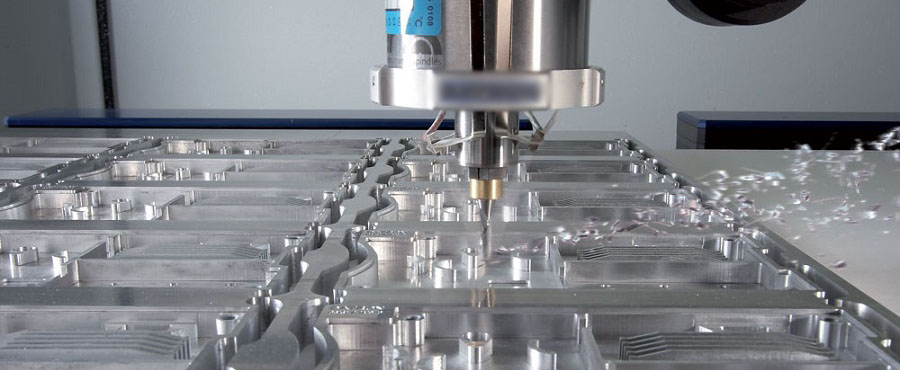
Optimize Cutting Parameters Carefully
Improper cutting parameters are one of the fastest ways to destroy a tool.
Stainless steel typically requires moderate cutting speeds and controlled feed rates. Cutting too fast generates excessive heat, while cutting too slowly can lead to rubbing instead of cutting, which also accelerates wear.
Maintaining a consistent feed is especially important. Interruptions or hesitation during cutting can increase work hardening and damage the tool edge.
Depth of cut should also be sufficient to stay below the hardened surface layer, ensuring that the tool engages with stable material.
Control Heat with Effective Cooling
Heat management is essential when machining stainless steel.
Because heat does not dissipate easily, proper coolant application is necessary to reduce temperature at the cutting zone. Flood cooling is commonly used, but in some cases, high-pressure coolant systems provide better chip evacuation and cooling performance.
Insufficient cooling can lead to rapid tool wear, built-up edge formation, and poor surface finish.
Maintaining consistent coolant flow and ensuring it reaches the cutting interface is key to prolonging tool life.
Prevent Work Hardening
Work hardening is one of the biggest challenges in stainless steel machining.
If the tool does not cut effectively—such as when feed rates are too low or tools are dull—the material surface hardens. Once hardened, the material becomes significantly more difficult to machine, increasing tool wear dramatically.
To avoid this:
- Maintain sharp tools at all times
- Avoid dwelling or pausing during cutting
- Ensure proper feed rates to maintain continuous cutting
A stable and continuous cutting process minimizes the risk of work hardening.
Monitor Tool Condition and Replace at the Right Time
Even with optimized processes, tools will eventually wear out. The key is to replace them before they fail.
Running tools beyond their optimal life leads to poor surface finish, dimensional errors, and potential damage to the workpiece. Establishing a tool monitoring system—either through scheduled replacement or real-time monitoring—helps maintain consistent machining quality.
Predictable tool management reduces unexpected downtime and improves overall efficiency.
Conclusion
Machining stainless steel without excessive tool wear requires a combination of proper tooling, optimized cutting parameters, effective cooling, and stable machining conditions. The material’s tendency to generate heat, work harden, and resist cutting makes it inherently challenging, but these challenges can be managed with the right approach.
From a manufacturing perspective, reducing tool wear is not just about extending tool life—it is about ensuring consistent part quality, improving productivity, and controlling production costs.
By applying these best practices, manufacturers can achieve reliable and efficient machining results even with demanding stainless steel materials.