


CNC machining has become one of the most essential processes in modern manufacturing, offering precision machining solutions for industries ranging from aerospace and automotive to medical devices and electronics. For engineers and buyers alike, understanding what determines CNC machining cost is crucial when planning budgets, sourcing custom CNC parts, or optimizing production workflows.
While CNC machining pricing can vary between suppliers, several key factors consistently have the most significant impact. This article explores the primary elements affecting cost and provides insights to help you make informed decisions in CNC manufacturing.
1. Material Selection
The choice of material is often the largest factor influencing CNC machining cost. Different materials have unique properties such as hardness, machinability, density, and thermal conductivity, which determine how easily they can be machined.
- Soft metalslike aluminum are easy to machine, allow faster cutting speeds, and require less tool wear, lowering the overall cost.
- Hard metalssuch as stainless steel, titanium, and Inconel are more challenging. These materials require slower machining speeds, specialized cutting tools, and frequent tool replacements, all of which increase CNC machining pricing.
- Exotic materialslike composites, high-performance plastics, or superalloys may necessitate specialized setups, multi-axis machining, or chemical-assisted processes, further raising costs.
Even within the same material family, specific grades with higher strength or corrosion resistance can increase machining time and tool wear, directly affecting precision CNC parts pricing.
2. Part Complexity and Geometry
The complexity of a part is another major factor in CNC machining cost. Simple shapes with straight cuts and few features are straightforward to produce, while intricate geometries, tight tolerances, undercuts, and deep cavities demand advanced planning and careful machining.
Multi-axis machining: Parts requiring 4-axis or 5-axis CNC machines are more expensive because the machine must approach the material from multiple directions. This often requires multiple setups and specialized fixtures.
Tight tolerances: Achieving extremely precise tolerances increases machining time, requires higher-quality tools, and adds quality control steps, all of which raise CNC machining pricing.
Surface finish requirements: High-quality surface finishes or post-machining polishing may involve additional passes, specialty abrasives, or chemical smoothing, adding to the cost of precision CNC parts.
In general, as complexity increases, so does the time, skill, and technology needed, directly impacting CNC machining cost.
3. Part Size and Production Volume
Both the size and quantity of parts affect CNC machining pricing.
Part size: Larger parts consume more material, require longer machining time, and sometimes necessitate bigger CNC machines. Special handling and fixturing for large components also increase costs.
Production volume: Small batches or prototyping runs are generally more expensive per unit compared to high-volume production. Setup time and initial programming are relatively fixed, meaning they are amortized over fewer units in small runs. Conversely, large-scale production allows manufacturers to distribute setup and tool wear costs, reducing the per-unit price of custom CNC parts.
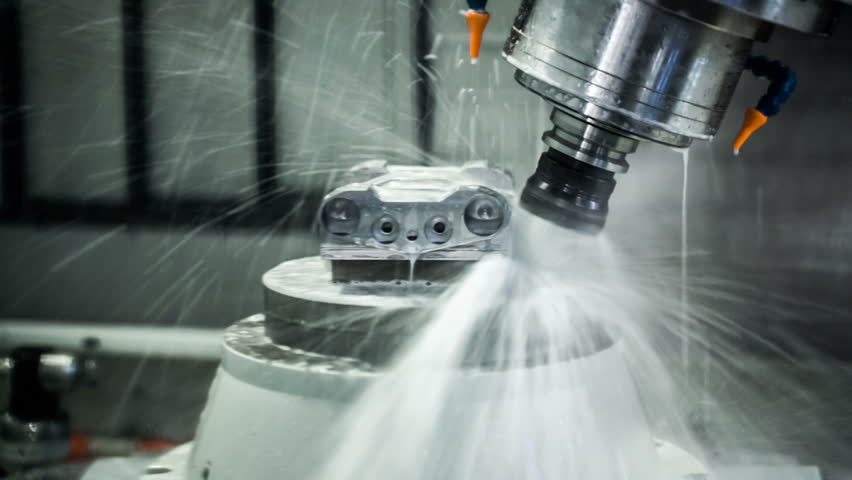
4. CNC Machine Type and Technology
The type of CNC machine directly affects CNC machining cost.
3-axis CNC machines are the most economical and suitable for simple geometries.
4-axis and 5-axis CNC machines enable more complex machining but are more expensive due to higher equipment costs and longer programming requirements.
Specialty CNC machines (Swiss-type lathes, multi-spindle machines, or mills with automatic tool changers) can increase efficiency for complex parts but may carry a premium.
Manufacturers with advanced CAM software, real-time monitoring, and automated toolpath optimization may charge more, but these technologies often reduce scrap and improve overall quality in precision CNC manufacturing.
5. Tooling and Setup
Tooling and setup requirements are significant contributors to CNC machining pricing.
Tool wear: Hard materials or high-volume runs wear down cutting tools quickly, necessitating frequent replacement. Specialty coatings such as titanium nitride or diamond-coated tools are often required for high-precision applications.
Setup time: Complex parts require careful alignment, clamping, and program testing, all of which increase labor costs. Setup fees may be added as a separate line item.
Fixtures and jigs: Custom fixtures for irregular parts ensure stability during machining but increase both labor and cost.
Efficient CNC manufacturing balances setup complexity with production efficiency to control overall cost.
6. Machining Time and Skilled Labor
Even automated CNC machines require skilled operators for programming, setup, and monitoring. Machining time depends on material properties, geometry, and tolerance requirements.
- Longer machining times directly increase labor costs.
- Multi-step processes and in-process inspections add to total production time.
- Experienced operators may also adjust cutting parameters to optimize efficiency and prevent defects, which is particularly important for precision CNC parts.
7. Secondary Operations and Post-Processing
Many custom CNC parts require post-machining work to meet functional or aesthetic standards. These secondary operations add to CNC machining pricing:
- Heat treatment to improve hardness or strength
- Surface treatments such as anodizing, plating, or coating
- Polishing, deburring, or smoothing to achieve desired finishes
- Assembly or testing for multi-component assemblies
Even if the primary CNC machining process is efficient, post-processing can constitute a substantial portion of total cost.
8. Material Waste and Efficiency
- Material efficiency also impacts CNC machining cost.
- High scrap rates increase raw material expenses, especially for expensive metals.
Optimized toolpaths and nesting can reduce waste and machining time, lowering overall CNC machining pricing.
9. Market Factors and Location
External factors play a role in CNC machining pricing:
- Labor costs vary by region. High-wage countries naturally have higher CNC machining costs.
- Material prices fluctuate, particularly for metals like steel, aluminum, and titanium.
- Supply chain logistics and lead times can impact cost, especially if materials are imported or require expedited delivery.
Even with advanced technology and skilled labor, these external elements influence final pricing for precision CNC parts.
Conclusion
Understanding these drivers is key for engineers and buyers to optimize designs, plan budgets, and make informed decisions when sourcing custom CNC parts. Collaborating with experienced manufacturers and considering design for manufacturability (DFM) principles can reduce CNC machining costs while maintaining quality, precision, and efficiency.
CNC machining remains a versatile and high-precision manufacturing solution. By addressing the key cost factors, companies can achieve optimal balance between performance and cost, ensuring competitive advantage in modern manufacturing.