


Carbon steel remains one of the most widely used materials in CNC machining due to its excellent strength, versatility, and cost-effectiveness. Manufacturers use carbon steel to produce shafts, gears, brackets, flanges, machine components, tooling, and structural parts for industries ranging from automotive and construction to energy and heavy equipment.
Although carbon steel is generally easier to machine than many alloy steels, achieving an optimal balance between machining cost, mechanical properties, and surface quality requires careful process planning. Material grade, machining strategy, heat treatment sequence, and finishing operations all influence the final performance and overall manufacturing cost.
This article explains how manufacturers can optimize every stage of carbon steel CNC machining to improve productivity while producing high-quality components with consistent mechanical properties and excellent surface finishes.
Understanding Carbon Steel Machining Characteristics
Carbon steel is available in a wide range of grades with different carbon contents, each offering unique combinations of strength, hardness, ductility, and machinability.
Low-carbon steels generally provide excellent machinability and weldability, making them suitable for high-volume machining projects. Medium-carbon steels offer improved strength and wear resistance but require more careful control of cutting parameters. High-carbon steels deliver greater hardness after heat treatment, although they are more challenging to machine and generate higher cutting forces.
Selecting the appropriate material grade at the beginning of a project helps manufacturers balance machining efficiency with the mechanical performance required for the final application.
Reduce Manufacturing Costs Through Process Planning
Effective cost control begins long before machining starts. Component design, material selection, machining strategy, and production planning all influence manufacturing efficiency.
Whenever possible, engineers should avoid unnecessary geometric complexity. Deep cavities, thin walls, and extremely tight tolerances often increase machining time without improving functional performance. Standardizing hole sizes, corner radii, and thread specifications also reduces programming time and simplifies tooling selection.
Modern CAM software further improves efficiency by generating optimized toolpaths that minimize idle machine movements and maintain consistent cutter engagement. These strategies shorten cycle times while reducing tool wear and machine load.
Batch production planning also contributes to lower costs. Grouping similar components together minimizes setup changes and increases machine utilization throughout production.
Select the Right Cutting Tools
Although carbon steel machines relatively well, tool selection remains critical for maintaining productivity and dimensional accuracy.
Solid carbide cutting tools are widely used because they maintain sharp cutting edges under demanding machining conditions. High-performance coatings such as TiAlN or AlCrN improve wear resistance, reduce friction, and extend tool life during high-speed machining.
Tool geometry should match both the material grade and the machining operation. Positive rake angles generally reduce cutting forces during rough machining, while finishing tools with optimized edge preparation produce smoother surfaces and tighter dimensional control.
Regular tool monitoring prevents excessive wear from affecting part quality. Replacing worn tools before dimensional drift occurs reduces scrap and improves process stability.
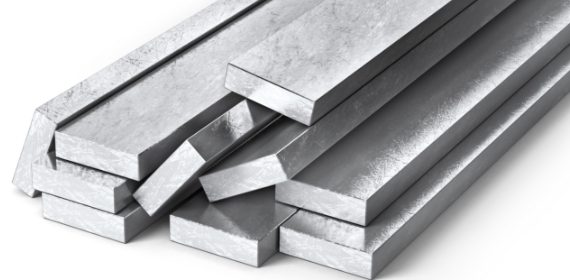
Optimize Heat Treatment for Performance and Cost
Heat treatment plays a critical role in determining the mechanical properties of carbon steel components. However, performing heat treatment at the wrong stage of production can increase manufacturing costs and introduce dimensional variation.
For many precision components, manufacturers perform rough machining before heat treatment. Removing most of the material in the softer condition reduces tool wear and shortens machining time. After heat treatment, a final finishing operation restores critical dimensions and surface quality while compensating for any distortion that occurred during thermal processing.
The choice of heat treatment depends on the intended application. Annealing improves machinability by reducing hardness and relieving internal stresses, making it suitable before extensive machining operations. Normalizing refines the grain structure and provides a better balance between strength and toughness for many structural components.
When higher hardness and wear resistance are required, quenching followed by tempering is often the preferred solution. This process increases strength while restoring sufficient toughness to prevent brittle failure.
By selecting the appropriate heat treatment sequence, manufacturers can reduce machining costs while ensuring the finished component achieves its required mechanical properties.
Improve Surface Finish During Machining
Surface finish directly affects both the appearance and functional performance of carbon steel components. Smooth surfaces reduce friction, improve fatigue resistance, and provide better contact performance in mating assemblies.
Achieving high-quality surface finishes begins with a stable machining process. Rigid workholding minimizes vibration, while properly balanced cutting parameters reduce chatter and tool marks.
Finishing passes should use lighter depths of cut and optimized feed rates to produce uniform surface textures. Sharp cutting tools are equally important because worn edges tend to increase cutting forces and create rougher surfaces.
Chip evacuation also influences surface quality. Accumulated chips may become trapped between the tool and workpiece, scratching freshly machined surfaces. Proper coolant delivery or compressed air helps remove chips efficiently throughout the machining process.
Apply Surface Finishing Processes When Necessary
Some carbon steel components require additional finishing after machining to improve corrosion resistance, wear performance, or appearance.
Grinding is commonly used to achieve tight dimensional tolerances and low surface roughness on precision components such as shafts and bearing seats. Polishing further enhances cosmetic appearance and reduces friction on contact surfaces.
Protective coatings such as black oxide, zinc plating, nickel plating, and phosphate coating improve corrosion resistance while extending service life in demanding environments. Powder coating and painting may also be applied to structural components requiring long-term environmental protection.
Selecting the appropriate finishing process depends on both the operating environment and the functional requirements of the finished part.
Maintain Tight Dimensional Control Throughout Production
Precision machining requires consistent process control from setup through final inspection.
Accurate fixturing prevents workpiece movement and ensures repeatable positioning throughout production. Machine calibration and thermal stability also contribute to maintaining dimensional accuracy during long machining cycles.
Manufacturers should monitor critical dimensions during production rather than relying solely on final inspection. In-process measurement allows operators to detect gradual tool wear and make timely adjustments before out-of-tolerance parts are produced.
For high-precision applications, coordinate measuring machines (CMMs), surface roughness testers, and hardness testers provide comprehensive verification of dimensional accuracy, surface quality, and mechanical properties.
Balance Productivity with Quality
The most successful carbon steel machining projects achieve a balance between production efficiency and product performance. Increasing cutting speeds may shorten cycle times, but excessive machining parameters often reduce tool life and compromise surface quality. Similarly, specifying unnecessarily tight tolerances or premium surface finishes may increase manufacturing costs without providing additional functional benefits.
Manufacturers should evaluate the complete production process—including machining, heat treatment, finishing, and inspection—as an integrated system. Optimizing each stage individually while considering its impact on subsequent operations results in lower production costs and more consistent product quality.
Conclusion
Carbon steel continues to be one of the most economical and versatile materials for CNC machining, offering an excellent combination of strength, machinability, and affordability. However, producing high-quality carbon steel components requires more than efficient cutting operations.
By selecting the appropriate material grade, optimizing machining strategies, planning heat treatment carefully, and maintaining stable finishing processes, manufacturers can significantly reduce production costs while achieving excellent dimensional accuracy, mechanical performance, and surface quality.
A comprehensive approach that integrates machining, heat treatment, inspection, and finishing not only improves manufacturing efficiency but also ensures that carbon steel components meet the demanding performance requirements of modern industrial applications.