


CNC engraving is a precise and highly flexible manufacturing process used to create detailed markings, patterns, and functional features on a wide range of materials. From industrial identification marks to decorative designs and micro-scale components, CNC engraving plays an essential role in modern manufacturing.
Compared with manual engraving methods, CNC engraving offers far greater consistency, repeatability, and accuracy. It is widely used in industries such as aerospace, electronics, automotive, medical devices, signage, and mold manufacturing.
This article explores the key advantages of CNC engraving, commonly used tools, and its most important industrial applications.
What Is CNC Engraving?
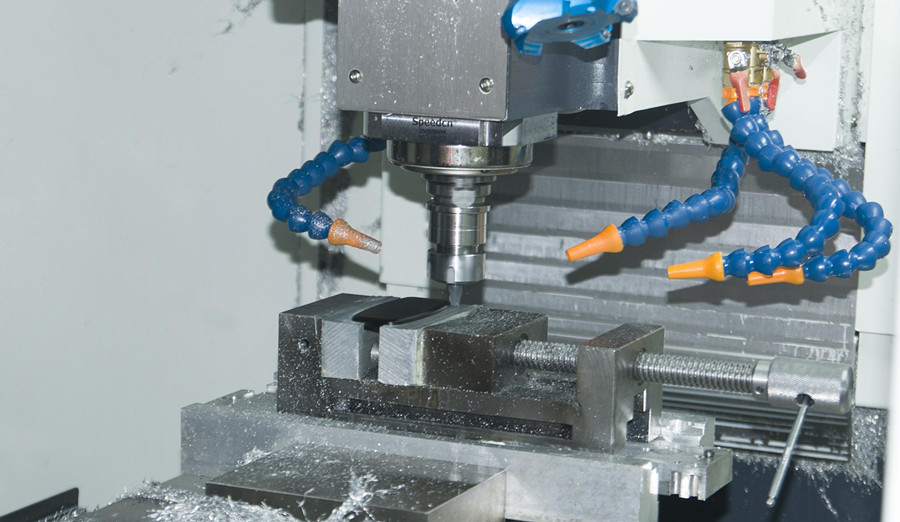
CNC engraving is a subtractive manufacturing process where a computer-controlled machine removes material from a workpiece using a rotating cutting tool or specialized engraving bit. The process is guided by digital design files, allowing extremely precise control over depth, shape, and pattern.
Unlike traditional manual engraving, CNC systems follow programmed toolpaths, ensuring that every part produced matches the same specifications. This makes CNC engraving ideal for both prototype development and mass production.
Depending on the application, CNC engraving can be used on metals, plastics, wood, acrylic, and composite materials.
Advantages of CNC Engraving
One of the most important advantages of CNC engraving is its high level of precision. Because the machine operates based on digital instructions, it can achieve extremely tight tolerances and reproduce fine details that would be difficult or impossible to achieve manually.
Consistency is another major benefit. Once a program is validated, CNC engraving machines can repeatedly produce identical results across large production batches. This is particularly valuable in industries where uniformity is critical, such as branding, component labeling, and industrial marking.
CNC engraving also offers excellent flexibility. By simply changing the digital file, manufacturers can switch between different designs without requiring new tooling or complex setup changes. This reduces downtime and increases production efficiency.
In addition, CNC engraving improves production efficiency by automating the entire process. Compared to manual engraving, it reduces labor requirements and minimizes human error. It also allows for continuous operation in high-volume manufacturing environments.
Another advantage is the ability to produce complex geometries. CNC machines can create intricate patterns, fine text, and detailed 3D contours that are difficult to replicate using conventional machining methods.
Common CNC Engraving Tools
Tool selection plays a crucial role in determining engraving quality, accuracy, and surface finish.
One of the most commonly used tools in CNC engraving is the V-bit engraving cutter. This tool features a pointed tip and is ideal for producing sharp lines, lettering, and decorative patterns. The angle of the V-bit determines the width and depth of the engraved line, making it highly versatile.
Flat end mills are also widely used, especially for pocket engraving and creating uniform depth features. These tools are suitable for removing larger areas of material and are often used in industrial marking applications.
Ball nose cutters are commonly used for 3D engraving and contouring. Their rounded tip allows smooth transitions and is ideal for creating curved surfaces and artistic designs.
Diamond engraving tools are used when extremely high precision and surface quality are required. These tools are especially common in micro-engraving applications, such as jewelry, electronics, and optical components.
For softer materials like wood and plastics, single-flute or O-flute engraving bits are often preferred because they provide efficient chip removal and reduce heat buildup during cutting.
Materials Suitable for CNC Engraving
CNC engraving can be performed on a wide variety of materials, each requiring specific tooling and machining parameters.
Metals such as aluminum, brass, copper, stainless steel, and titanium are commonly engraved for industrial identification, serial numbers, and technical markings. These materials require rigid setups and sharp carbide tools to ensure clean engraving results.
Plastics like acrylic (PMMA), ABS, polycarbonate, and nylon are also widely used. Acrylic, in particular, is popular for signage and display applications due to its clarity and aesthetic appearance.
Wood and MDF are frequently used in decorative engraving, furniture manufacturing, and artistic applications. These materials allow fast cutting speeds and highly detailed designs.
Composite materials and coated surfaces are often engraved for aerospace and automotive applications where durability and traceability are important.
Industrial Applications of CNC Engraving
CNC engraving is used across many industries due to its precision and versatility.
In the electronics industry, it is commonly used for marking circuit boards, control panels, connectors, and device housings. These engravings often include serial numbers, logos, and technical specifications.
In the automotive sector, CNC engraving is used for component identification, dashboard labeling, engine parts, and decorative interior elements. The durability of engraved markings ensures long-term readability even under harsh conditions.
Aerospace manufacturing relies heavily on CNC engraving for part traceability, safety markings, and compliance labeling. Precision and reliability are critical in this industry, making CNC engraving an essential process.
In the medical field, CNC engraving is used for surgical instruments, implants, and medical device housings. Permanent markings help ensure traceability and regulatory compliance.
The signage and advertising industry also benefits greatly from CNC engraving. It is used to produce high-quality nameplates, logos, display panels, and decorative signs with excellent visual detail.
CNC Engraving Process Considerations
Achieving high-quality engraving results requires careful control of machining parameters.
Tool sharpness is one of the most important factors. Dull tools can cause rough edges, inconsistent depth, and poor surface finish. Regular tool inspection and replacement help maintain engraving quality.
Spindle speed and feed rate must be properly balanced. Too high a speed can cause overheating, while too low a feed rate may result in burning or material deformation, especially in plastics and wood.
Workpiece stability is also critical. Any vibration or movement during engraving can significantly reduce accuracy and lead to uneven patterns. Proper fixturing ensures consistent results.
Depth control is another key factor. CNC engraving relies on precise Z-axis movement, so machine calibration and tool length compensation must be accurately maintained.
CNC Engraving vs Traditional Engraving
Compared to manual engraving, CNC engraving offers significant improvements in accuracy, efficiency, and repeatability.
Manual engraving depends heavily on operator skill, which can lead to inconsistencies and variations between parts. CNC engraving eliminates this issue by following digital instructions with high precision.
It also reduces production time, especially for complex designs or large batch production. Once programmed, CNC machines can run continuously with minimal supervision.
Additionally, CNC engraving allows for much more complex geometries and fine details than traditional hand tools, making it suitable for modern industrial requirements.
Conclusion
CNC engraving is a powerful and versatile manufacturing process that combines precision, efficiency, and flexibility. With the ability to produce highly detailed and consistent markings on a wide range of materials, it has become an essential technology in modern industry.
By selecting the right tools, optimizing machining parameters, and understanding material behavior, manufacturers can achieve excellent engraving quality while maintaining production efficiency.
As CNC technology continues to evolve, engraving processes will become even more precise and automated, further expanding their role in high-performance manufacturing and industrial design.