


Stainless steel is one of the most widely used materials in modern manufacturing due to its excellent strength, corrosion resistance, and durability. From industrial equipment to medical devices, stainless steel components are essential in applications where performance and reliability cannot be compromised.
However, machining stainless steel is far more complex than working with softer materials. Achieving high precision and consistent quality requires advanced equipment, experienced engineers, and strict quality control systems. For companies seeking reliable production, choosing a professional CNC machining partner is critical.
Why Stainless Steel Is Challenging to Machine
From a manufacturing standpoint, stainless steel presents several inherent challenges.
First, it has relatively low thermal conductivity, which means heat generated during machining tends to concentrate at the cutting zone. This can lead to rapid tool wear and reduced tool life.
Second, stainless steel exhibits strong work-hardening behavior. If cutting parameters are not optimized, the material surface can harden during machining, making subsequent operations more difficult and increasing the risk of tool damage.
Additionally, its toughness creates higher cutting resistance, requiring more rigid setups and precise control over machining conditions.
These factors make stainless steel machining a process that demands both technical expertise and process stability.
Advanced CNC Capabilities for Stainless Steel Parts
Delivering high-quality stainless steel components requires more than standard machining capabilities.
Modern CNC machining centers equipped with multi-axis functionality allow manufacturers to produce complex geometries with high accuracy. Tight tolerances, intricate features, and consistent repeatability can be achieved when machining processes are properly optimized.
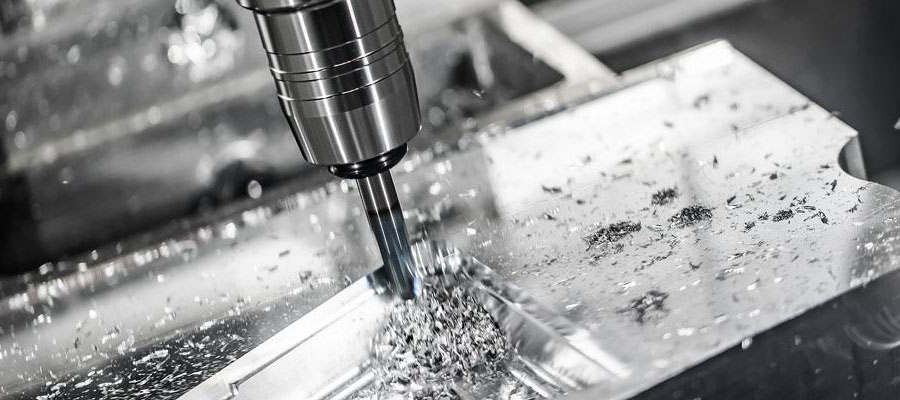
Precision tooling, combined with appropriate coatings, helps reduce friction and improve tool life. High-pressure coolant systems further enhance cutting performance by managing heat and improving chip evacuation.
These advanced capabilities enable manufacturers to handle both simple and highly complex stainless steel components across various industries.
Material Grades and Application Flexibility
Different stainless steel grades offer unique properties, making material selection an important part of the manufacturing process.
Common grades such as 304 and 316 are widely used for their corrosion resistance and versatility. They are suitable for applications in food processing, medical equipment, and marine environments.
Higher-strength grades like 17-4 PH stainless steel provide excellent mechanical properties and are often used in aerospace and high-performance engineering applications.
Understanding the characteristics of each grade allows manufacturers to select the most suitable material for specific performance requirements.
Importance of Surface Finish and Post-Processing
Surface quality is a critical factor in stainless steel components, especially in applications where aesthetics, hygiene, or functional performance are important.
CNC machining can achieve good surface finishes, but additional processes such as polishing, passivation, or coating may be required depending on the application.
For example, medical and food-grade components often require smooth, contamination-resistant surfaces, while industrial parts may prioritize wear resistance and durability.
Proper finishing processes not only improve appearance but also enhance corrosion resistance and product lifespan.
Strict Quality Control and Inspection
Ensuring dimensional accuracy and consistency is essential when machining stainless steel.
Professional manufacturers rely on advanced inspection equipment such as coordinate measuring machines (CMMs), height gauges, and surface roughness testers to verify part quality.
Inspection is not limited to final products. In-process quality checks help identify deviations early, allowing adjustments before defects occur.
Comprehensive inspection reports and traceable data provide customers with confidence in the reliability of the final components.
Custom Solutions for Different Industries
Stainless steel CNC machining services are widely used across multiple industries.
In the medical field, precision and cleanliness are critical for surgical instruments and implants. In aerospace, components must withstand extreme stress and environmental conditions. In industrial applications, durability and corrosion resistance are key factors.
Each industry has unique requirements, and experienced manufacturers can provide tailored solutions based on specific design and performance needs.
Why Choosing the Right CNC Partner Matters
Not all machining providers offer the same level of expertise, especially when working with challenging materials like stainless steel.
A reliable CNC machining partner should provide:
- Strong engineering support for design optimization
- Advanced machining capabilities for complex parts
- Strict quality control systems and inspection processes
- Flexible production capacity for both prototypes and mass production
Choosing the right partner helps reduce production risks, improve part quality, and ensure on-time delivery.
Conclusion
Stainless steel CNC machining requires a combination of advanced technology, skilled expertise, and rigorous quality control. Its machining challenges—such as heat concentration, work hardening, and tool wear—demand careful process management to achieve optimal results.
For companies seeking high-quality stainless steel components, working with an experienced machining provider ensures precision, consistency, and long-term reliability. By combining the right materials, machining strategies, and inspection methods, manufacturers can deliver components that meet the highest performance standards.