


Selecting the right CNC machining supplier is a critical decision that directly impacts product quality, project timelines, and overall costs. Whether you are sourcing parts for prototyping or full-scale production, working with an unreliable supplier can lead to delays, inconsistent quality, and unexpected expenses.
From both an engineering and procurement perspective, choosing a reliable CNC machining partner requires more than comparing prices. It involves evaluating technical capability, quality systems, communication, and long-term collaboration potential.
Evaluate Technical Capabilities and Equipment
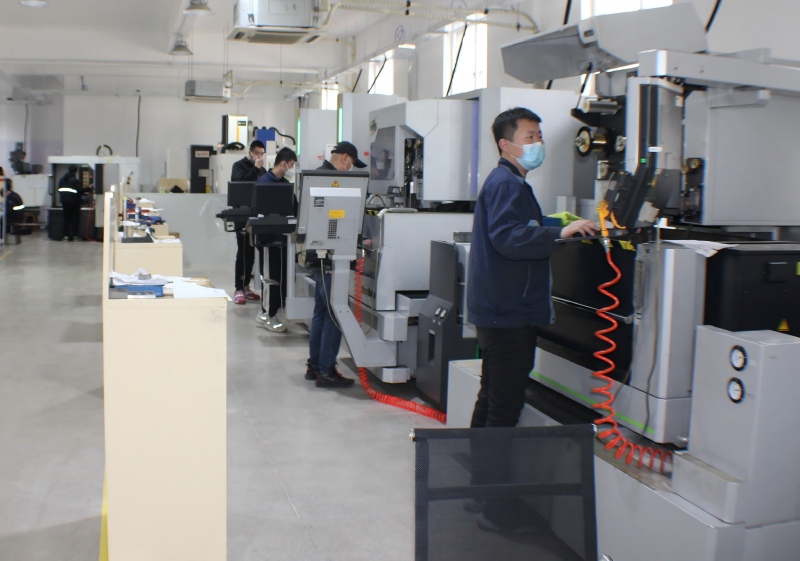
A reliable CNC machining supplier must have the appropriate equipment and technical expertise to handle your project requirements.
This includes the availability of advanced CNC machines, such as multi-axis machining centers, which are essential for producing complex geometries with high precision. The supplier should also demonstrate experience in machining a variety of materials, including aluminum, stainless steel, titanium, and engineering plastics.
Beyond machinery, technical capability also includes programming expertise, tool selection, and process optimization. A qualified supplier should be able to review your design and suggest improvements that enhance manufacturability and reduce cost.
Assess Experience with Similar Projects
Experience plays a major role in ensuring successful outcomes.
Suppliers who have worked on similar parts or within your industry are more likely to understand critical requirements such as tolerance control, surface finish, and functional performance. For example, aerospace or medical components often demand stricter quality standards than general industrial parts.
Reviewing case studies, sample parts, or past project experience can provide insight into the supplier’s capabilities and reliability.
Verify Quality Control Systems
Quality assurance is one of the most important factors when selecting a CNC machining supplier.
A reliable manufacturer should have a structured quality control system that includes incoming material inspection, in-process checks, and final inspection. The use of advanced inspection equipment, such as coordinate measuring machines (CMMs), ensures accurate and repeatable measurements.
Ask whether the supplier can provide inspection reports, material certifications, and traceability documentation. These are especially important for industries with strict regulatory requirements.
Consistent quality is not achieved by inspection alone—it requires a well-managed process supported by proper documentation and standards.
Review Communication and Responsiveness
Clear and timely communication is often overlooked but is essential for successful collaboration.
A reliable supplier should respond promptly to inquiries, provide clear technical explanations, and keep you informed throughout the production process. Delayed or unclear communication can lead to misunderstandings, production errors, and missed deadlines.
During the quotation stage, evaluate how thoroughly the supplier reviews your drawings and requirements. A detailed and thoughtful response usually indicates a higher level of professionalism and attention to detail.
Consider Lead Time and Production Flexibility
Production speed and flexibility are critical, especially for projects with tight deadlines or changing requirements.
A dependable CNC machining supplier should be able to provide realistic lead times and adapt to different production volumes. This includes handling both low-volume prototypes and larger production runs without compromising quality.
Suppliers with scalable capacity and efficient scheduling systems are better equipped to meet delivery commitments and respond to urgent requests.
Analyze Pricing Beyond the Initial Quote
While cost is always an important factor, choosing a supplier based solely on the lowest price can be risky.
Low pricing may indicate compromises in material quality, machining processes, or inspection standards. Hidden costs can arise from rework, delays, or part failures.
Instead, focus on overall value. A slightly higher upfront cost may result in better quality, fewer defects, and lower total cost over the lifecycle of the project.
Transparent pricing and detailed quotations are signs of a trustworthy supplier.
Check Material Sourcing and Traceability
Material quality directly affects part performance and durability.
A reliable supplier should source materials from reputable vendors and provide certifications upon request. Traceability systems ensure that each batch of material can be tracked, which is essential for quality assurance and compliance.
This is particularly important for applications in aerospace, medical, and industrial equipment where material integrity is critical.
Evaluate Post-Processing and Finishing Capabilities
Many CNC machined parts require additional processes such as anodizing, plating, heat treatment, or polishing.
Working with a supplier that offers integrated post-processing services can simplify project management and ensure consistent quality across all stages of production.
It also reduces the need to coordinate with multiple vendors, minimizing delays and potential quality inconsistencies.
Look for Long-Term Partnership Potential
Choosing a CNC machining supplier should not be viewed as a one-time transaction. A reliable partner contributes to long-term success by supporting product development, improving manufacturability, and maintaining consistent quality over time.
Suppliers who invest in understanding your business and technical requirements are more likely to provide valuable insights and proactive solutions.
Building a strong partnership leads to better communication, improved efficiency, and more predictable production outcomes.
Conclusion
Selecting a reliable CNC machining supplier requires a comprehensive evaluation of technical capability, quality systems, communication, and overall value. While cost is an important consideration, it should not come at the expense of quality and reliability.
From both engineering and procurement perspectives, the goal is to find a partner who can consistently deliver accurate, high-quality parts while supporting your project’s long-term success.
By taking a structured approach to supplier selection, businesses can reduce risk, improve product quality, and ensure efficient production from prototype to full-scale manufacturing.