


As modern industries continue to push the limits of miniaturization, the demand for extremely small and highly precise components has increased significantly. Sectors such as medical devices, aerospace systems, robotics, and advanced electronics often require parts that measure only a few millimeters—or even microns—in size. Producing these miniature components requires specialized manufacturing techniques, and micro CNC machining has become one of the most effective solutions.
While CNC technology provides exceptional precision and repeatability, machining extremely small parts introduces a unique set of challenges. From tool fragility and vibration control to measurement accuracy, manufacturers must overcome several technical obstacles to achieve consistent results.
Understanding these challenges and implementing appropriate solutions is essential for successful micro machining operations.
What Is Micro CNC Machining?
Micro CNC machining refers to the process of producing very small and highly detailed components using computer-controlled machining equipment. These parts typically feature micro-scale geometries, extremely tight tolerances, and delicate structures that require advanced machining strategies.
In many cases, micro-machined parts include tiny holes, thin walls, narrow slots, and intricate surface features. Such geometries demand specialized tools, high-speed spindles, and carefully optimized cutting parameters.
Micro CNC machining is widely used in the production of surgical instruments, medical implants, miniature sensors, aerospace micro-components, and precision electronic connectors.
Tool Fragility and Wear
One of the most significant challenges in micro machining is the fragility of cutting tools. Micro end mills and drills often have diameters smaller than one millimeter, making them highly susceptible to breakage.
Because these tools have limited structural strength, even slight vibration or excessive cutting force can cause tool failure. In addition, heat buildup during machining can accelerate tool wear and reduce cutting performance.
To address this issue, manufacturers typically use high-quality carbide tools with specialized coatings designed for micro machining. Optimizing spindle speeds, feed rates, and chip evacuation strategies also helps reduce stress on the tool while maintaining stable cutting conditions.
Vibration and Machine Stability
At the micro scale, even minor machine vibrations can significantly affect machining accuracy. Vibrations may lead to poor surface finish, dimensional errors, or tool breakage.
Achieving stable machining conditions requires highly rigid machine structures and precise spindle systems. Many micro machining centers are specifically designed with vibration-damping structures and high-speed spindles capable of maintaining consistent rotational stability.
Proper fixturing is also essential. Workpieces must be securely held without distortion, ensuring that cutting forces remain controlled throughout the machining process.
Chip Removal and Heat Management
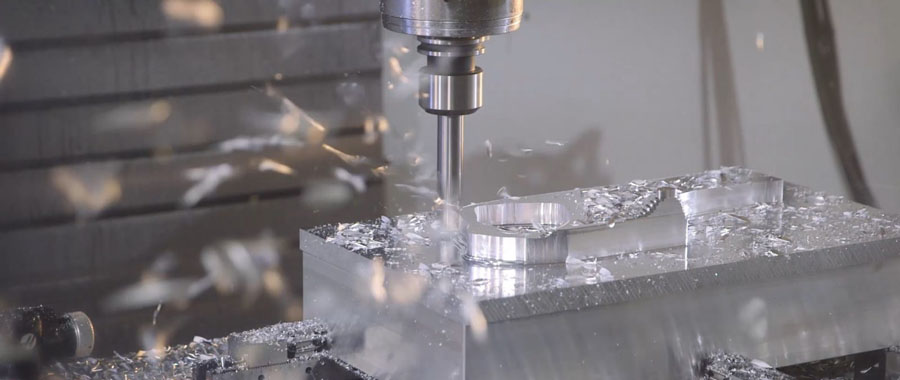
Chip evacuation becomes more challenging as tool sizes decrease. Micro cutting tools produce extremely small chips that can accumulate quickly around the cutting zone. If these chips are not removed efficiently, they may interfere with the cutting edge, leading to surface damage or tool failure.
Effective coolant systems and optimized tool paths help maintain clean cutting environments. High-pressure air or micro-lubrication systems are often used to assist chip removal while minimizing heat buildup.
Controlling temperature is especially important because even small thermal expansions can affect dimensional accuracy at the micro scale.
Achieving Tight Tolerances
Micro components often require tolerances measured in microns. Maintaining such precision requires not only advanced machining equipment but also careful process control.
Tool deflection, thermal expansion, and machine calibration must all be considered when machining small features. Even minor variations in cutting parameters can cause significant dimensional deviations.
Manufacturers frequently rely on high-resolution CNC controllers and precision motion systems to ensure consistent positioning accuracy during machining.
Measurement and Inspection Difficulties
Inspection becomes more complicated when working with extremely small parts. Conventional measurement tools may not be capable of accurately evaluating micro-scale features.
To ensure quality control, manufacturers often use advanced inspection technologies such as optical measurement systems, high-magnification microscopes, and coordinate measuring machines designed for micro components.
These tools allow engineers to verify dimensions, surface quality, and geometric tolerances with the precision required for miniature parts.
Material Selection Considerations
Material behavior can significantly influence micro machining performance. Certain materials produce cleaner cuts and generate less tool wear, making them more suitable for miniature components.
Aluminum alloys, brass, and some stainless steels are commonly used in micro machining due to their favorable cutting characteristics. Harder materials such as titanium or superalloys can still be machined at the micro scale, but they require specialized tooling and carefully controlled machining parameters.
Choosing the appropriate material helps improve tool life and reduces the risk of machining defects.
Advanced Technologies Supporting Micro Machining
Modern manufacturing technologies have greatly improved the feasibility of micro CNC machining. High-speed spindles, ultra-precise motion control systems, and advanced CAD/CAM software allow manufacturers to create complex miniature components with remarkable accuracy.
Multi-axis CNC machines further enhance machining capabilities by enabling complex geometries to be produced in a single setup. This reduces handling errors and improves overall precision.
In addition, simulation tools allow engineers to analyze machining processes before production begins, helping identify potential issues and optimize tool paths.
Conclusion
Micro CNC machining plays a crucial role in modern manufacturing, enabling the production of miniature components with exceptional precision. However, machining at such a small scale introduces unique challenges, including fragile tooling, vibration sensitivity, chip removal difficulties, and complex inspection requirements.
By combining advanced machining technology, optimized cutting strategies, and precise quality control systems, manufacturers can successfully overcome these challenges. As industries continue to demand smaller and more sophisticated components, micro CNC machining will remain an essential capability for high-precision manufacturing.