


When sourcing CNC machining services, many buyers instinctively gravitate toward large machining companies. Large facilities, extensive equipment lists, and well-known brand names often create a sense of security. However, in practical manufacturing scenarios—especially for custom parts, low-to-medium volume production, and precision components—a small machining company can offer distinct and sometimes decisive advantages.
Understanding these differences helps engineers, purchasing managers, and project owners make more informed decisions based on actual project needs rather than assumptions about scale.
Flexibility in Engineering and Production
One of the most significant advantages of a small machining company is flexibility. Smaller shops typically have shorter internal decision chains, allowing them to respond quickly to design changes, tolerance adjustments, or material substitutions. When an engineering drawing evolves during prototyping or early production stages, a small machining team can adapt without navigating multiple departments or formal approval layers.
This flexibility is particularly valuable for custom parts, functional prototypes, and early-stage product development. Instead of being locked into rigid production processes, customers benefit from a more adaptive manufacturing partner who can adjust tooling strategies, machining sequences, or inspection methods as needed.
Direct Communication With Skilled Machinists
In large machining organizations, communication often flows through multiple layers: sales representatives, project managers, engineers, and production supervisors. While structured processes can be effective for high-volume programs, they can also dilute technical communication.
Small machining companies typically allow direct interaction with the people actually programming and running the machines. Engineers and buyers can discuss tolerance concerns, surface finish requirements, or functional features directly with experienced machinists. This reduces misunderstandings and helps ensure that critical details are correctly interpreted from the drawing stage to the final part.
Clear, direct communication often leads to fewer revisions, faster problem resolution, and better overall part quality.
Greater Attention to Part Quality
For many small machining shops, reputation is closely tied to every part they deliver. Unlike large companies that may process thousands of parts per day, smaller operations tend to treat each job as a reflection of their craftsmanship and reliability.
This often results in more careful setup, closer monitoring during machining, and more thorough inspection. Small shops are more likely to notice subtle issues such as tool wear patterns, burr formation, or surface inconsistencies and address them before they become quality problems.
For precision components or parts with tight tolerances, this level of attention can make a measurable difference in consistency and performance.
Cost Efficiency for Low and Medium Volumes
Large machining companies are typically optimized for high-volume production. Their cost structures—extensive management systems, automation investments, and overhead—are designed to be efficient when producing large quantities over long production runs.
For low or medium volumes, however, these same structures can increase costs. Setup charges, minimum order quantities, and administrative fees may outweigh the benefits of scale.
Small machining companies usually operate with lower overhead and simpler workflows. They can offer more competitive pricing for short runs, prototypes, and customized components without requiring large commitments. This makes them particularly attractive for startups, R&D projects, and specialized industrial applications.
Faster Lead Times and Scheduling Responsiveness
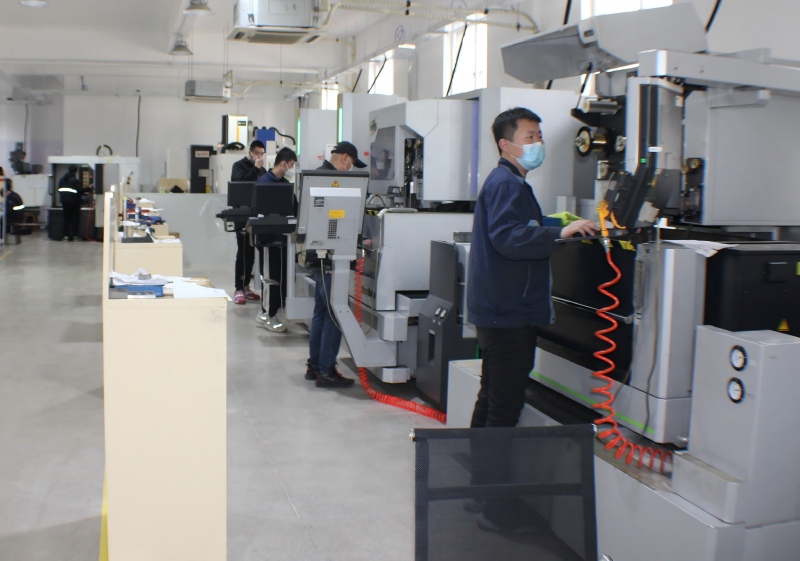
Lead time is often a critical factor in modern manufacturing. Smaller machining companies tend to have more agile production schedules and can accommodate urgent jobs more easily than large facilities with tightly booked production calendars.
Because fewer projects are competing for machine time, small shops can prioritize customer needs, expedite critical components, or adjust schedules when unexpected delays occur upstream. This responsiveness can be crucial for time-sensitive projects, equipment maintenance parts, or pilot production runs.
Willingness to Support Complex or Non-Standard Parts
Large machining companies often focus on standardized processes and repeatable part families to maintain efficiency. Highly customized or unusual parts may not fit well into their production model and can be deprioritized or priced accordingly.
Small machining companies, by contrast, frequently specialize in non-standard precision parts. They are more willing to invest time in understanding complex geometries, challenging materials, or unique functional requirements. This problem-solving mindset allows them to support projects that require creativity, experience, and close collaboration rather than pure volume efficiency.
Personalized Customer Service and Long-Term Partnerships
Smaller machining companies typically build long-term relationships with their customers. Instead of treating each order as a transaction, they aim to become a trusted manufacturing partner.
This relationship-based approach often results in better support over time. The machining team gains familiarity with the customer’s products, quality standards, and design preferences. As a result, future projects run more smoothly, and potential issues are identified earlier in the process.
For companies seeking stable and reliable suppliers rather than interchangeable vendors, this level of personalization can be a significant advantage.
Simplified Quality Control and Accountability
In a small machining company, accountability is clear. The same team that programs, machines, and inspects parts is directly responsible for the outcome. This transparency reduces the risk of quality issues being passed between departments or overlooked due to procedural complexity.
Quality control processes in small shops may be simpler, but they are often more focused. Inspection results are closely tied to real machining conditions, and corrective actions can be implemented immediately.
This direct accountability supports continuous improvement and helps maintain consistent quality standards across projects.
When a Small Machining Company Is the Better Choice
Choosing a small machining company is not about replacing large suppliers in every situation. High-volume, long-term production programs may still benefit from the scale and automation of large organizations.
However, for custom machining, precision components, low-to-medium volume production, and projects requiring flexibility and close communication, small machining companies often deliver better overall value. Their ability to adapt, communicate directly, control quality closely, and respond quickly makes them strong partners in complex manufacturing environments.
Conclusion
The assumption that larger machining companies are always the safer or better choice does not hold true in many real-world manufacturing scenarios. Small machining companies offer unique strengths that align well with modern engineering needs—especially where customization, speed, and technical collaboration are essential.
By evaluating suppliers based on project requirements rather than company size alone, manufacturers can uncover opportunities to improve quality, reduce lead times, and build more effective long-term partnerships. In many cases, choosing a small machining company is not a compromise, but a strategic advantage.