


In modern precision manufacturing, CNC machining is widely valued for its ability to create components with exceptional accuracy and repeatability. However, once machining is complete, the raw metal surfaces often need additional treatment to achieve the desired durability, corrosion resistance, and aesthetic appeal.
One of the most effective finishing processes to achieve these qualities is electroplating — a controlled electrochemical technique that deposits a thin metallic coating onto a machined component.
This article explores the principles, benefits, materials, and applications of electroplated CNC machined parts, along with key process considerations to achieve consistent, high-quality results.
What Is Electroplating in CNC Machining?
Electroplating is a surface finishing process that uses an electrical current to coat a metal object with a thin layer of another metal.
In CNC machining, this technique is commonly used to improve the surface characteristics of parts made from aluminum, steel, copper, or brass.
The process typically involves several steps:
- Surface Preparation– The machined parts are thoroughly cleaned and degreased to remove machining oils, oxides, and contaminants.
- Activation– The surface is treated with an acid or alkaline solution to improve the adhesion of the plating layer.
- Electrolytic Deposition– The part (cathode) is submerged in a plating bath containing metal ions of the coating material, while a matching metal anode supplies ions as current passes through.
- Rinsing and Drying– The plated part is carefully rinsed and dried to prevent staining or oxidation.
This controlled process allows manufacturers to deposit coatings as thin as a few microns, creating a smooth, uniform finish across complex geometries.
Why Electroplate CNC Machined Parts?
Enhanced Corrosion Resistance
Electroplating creates a protective barrier against moisture, chemicals, and oxidation. This is especially important for components used in marine, aerospace, and outdoor environments, where exposure to harsh conditions can lead to rust or surface degradation.
Improved Wear and Hardness
Coatings such as nickel, chromium, or zinc greatly enhance a part’s surface hardness and wear resistance. These properties are essential for parts subject to friction, mechanical stress, or repetitive motion — such as shafts, gears, and fasteners.
Superior Aesthetic Appeal
Electroplating also gives machined parts a high-quality visual finish — from bright chrome and mirror-like nickel to elegant gold or silver tones. This makes the process popular in industries like consumer electronics, medical devices, and automotive accessories, where appearance matters as much as performance.
Electrical and Thermal Conductivity
Certain coatings, such as silver, gold, or copper plating, improve a part’s conductivity, making electroplated CNC components ideal for electrical connectors, contacts, and heat dissipation parts.
Dimensional Stability
Unlike paint or powder coating, electroplating produces extremely thin and precise layers, maintaining the tight tolerances typical of CNC-machined parts. This ensures compatibility with critical assemblies without the need for post-coating rework.
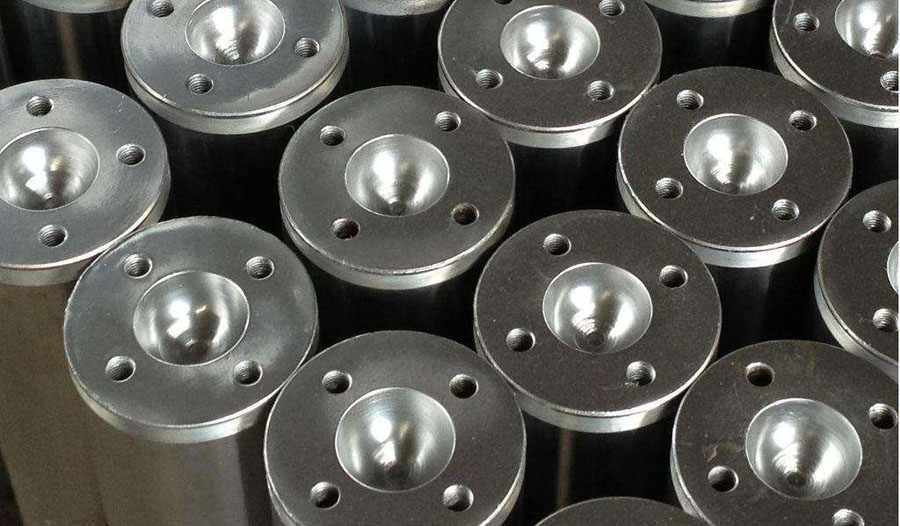
Common Electroplating Materials Used in CNC Machining
Different plating metals offer distinct advantages depending on the application:
Nickel Plating:
Provides excellent corrosion resistance, hardness, and a smooth finish. Common in aerospace, oil & gas, and industrial equipment components.
Chrome Plating:
Adds superior wear resistance and a reflective, decorative surface — widely used in automotive and hydraulic parts.
Zinc Plating:
A cost-effective anti-corrosion coating, often used for fasteners, brackets, and steel components.
Gold Plating:
Ensures high electrical conductivity and oxidation resistance, ideal for precision electronics.
Silver Plating:
Offers both excellent conductivity and antibacterial properties — used in RF connectors, medical tools, and high-temperature applications.
Copper Plating:
Provides strong adhesion and serves as an intermediate layer for subsequent plating (e.g., nickel or chrome).
Process Considerations for Optimal Results
To achieve consistent quality, several factors must be carefully controlled:
Surface Cleanliness: Any contamination can prevent adhesion or cause uneven coating.
Current Density and Plating Time: Control coating thickness and uniformity across complex geometries.
Bath Composition and Temperature: Maintain stable chemistry for predictable coating properties.
Masking: Protect specific areas from being plated when necessary for tolerance control or electrical insulation.
Post-Treatment: Passivation, baking (to relieve hydrogen embrittlement), or polishing may be required depending on the application.
Collaboration between the CNC machining team and surface finishing experts is critical to ensure plating compatibility and consistent results.
Precautions for Storing Electroplated CNC Parts
Electroplated CNC machined parts, due to their protective coatings, have a longer shelf life compared to untreated parts. However, this does not mean they can be stored indefinitely. To maintain optimal performance, consider the following key storage parameters:
Controlled environment:
Store the parts in a clean, dry, temperature-stable, and low-humidity environment. Ideal storage conditions typically include a temperature range of 15-25°C and a relative humidity below 60%.
– Packaging:
Use protective packaging materials such as moisture-proof bags, vacuum-sealed containers, or anti-corrosion paper to prevent oxidation.
– Handling:
Avoid direct contact with bare hands to prevent surface contamination. Wear clean gloves during handling and transportation.
– Storage period:
Adhere to the maximum storage period specified by industry standards or supplier recommendations. Generally, parts stored under optimal conditions can last several months or even years, depending on the type of plating used.
Geographical and climatic influences
Storage conditions vary due to geographical and climatic factors, so storage methods must be adjusted accordingly. For example:
– Coastal areas:
Affected by the ocean, the high humidity accelerates corrosion due to salt, thereby shortening the safe storage period.
– Inland regions:
Temperature fluctuations and humidity changes can also affect storage conditions, potentially leading to condensation and rust.
To ensure product integrity, it is recommended to perform plating as close to the final assembly stage as possible. This method minimizes storage time and reduces potential risks, thereby ensuring the timely delivery of high-quality components.
Conclusion
Electroplated CNC machined parts combine the best of both worlds — the precision and consistency of CNC machining with the functional and aesthetic benefits of advanced surface engineering.
From improving corrosion resistance to achieving mirror-like finishes and superior electrical performance, electroplating transforms ordinary metal components into high-performance engineered products that meet the demands of modern industries.
When properly executed, this process not only extends the lifespan of CNC components but also enhances their visual and functional value — making electroplating an indispensable part of precision manufacturing.