


From the outside, large machining companies often appear to be the safest choice. They have impressive facilities, extensive equipment lists, standardized systems, and recognizable brand names. However, in real sourcing and engineering practice, many purchasers and engineers find themselves repeatedly choosing smaller machining factory for certain projects.
This preference is not driven by sentiment or convenience. It is based on practical experience with how projects actually unfold—especially when dealing with custom parts, tight timelines, evolving designs, and real-world manufacturing constraints.
Engineering Reality Is Rarely Perfect on Paper
Engineering drawings are rarely final from the first revision. Tolerances may need adjustment, features may be simplified, materials may change due to availability, or functional feedback may require design optimization.
For engineers, working with a small machining shop often means having direct access to the people who understand these realities best—the machinists and programmers. Instead of submitting formal engineering change requests and waiting for internal reviews, engineers can discuss design intent directly, identify machining risks early, and adjust details before problems occur.
This collaborative approach reduces unnecessary iterations and helps transform a theoretical design into a manufacturable part more efficiently.
Direct Communication Reduces Costly Misunderstandings
Purchasers and engineers both understand that many machining issues are not caused by lack of capability, but by miscommunication. In large companies, communication typically flows through multiple layers: sales, project management, engineering, production, and quality.
Each layer adds structure, but also increases the risk that critical details are lost or misinterpreted. A small machining shop often allows direct technical conversations. Engineers can explain why a tolerance matters, and machinists can explain what is realistically achievable without excessive cost or risk.
For purchasers, this clarity translates into fewer surprises—less rework, fewer non-conformance reports, and more predictable outcomes.
Flexibility Matters More Than Scale in Many Projects
Large machining companies are designed around efficiency and repeatability. This works well for high-volume production, but it can become a limitation for projects that require flexibility.
Small shops are often more willing to adjust setups, split operations, or change machining strategies mid-project. For purchasers managing short runs, pilot production, or urgent replacement parts, this flexibility can be more valuable than scale.
From an engineering perspective, flexible suppliers make it easier to refine designs without restarting the sourcing process each time a change is needed.
Quality Attention Is Often More Personal
In a small machining shop, every project carries visible accountability. Engineers and purchasers often know exactly who programmed the part, who ran the machine, and who inspected the components.
This personal responsibility tends to result in closer attention to details such as surface finish, edge condition, burr removal, and dimensional consistency. Small deviations are more likely to be noticed early and corrected before parts reach the customer.
For engineers responsible for functional performance, and purchasers responsible for supplier quality metrics, this hands-on approach reduces downstream risk.
Cost Structure Aligns Better With Low and Medium Volumes
Purchasers are acutely aware that cost is not just about unit price. Setup fees, minimum order quantities, administrative overhead, and long-term commitments all factor into sourcing decisions.
Large machining companies are optimized for volume. Their pricing models often favor long production runs. For low or medium volumes, costs can rise quickly due to setup amortization and internal processing requirements.
Small machining shops typically have leaner cost structures. They can price prototypes, short runs, and customized parts more reasonably without forcing volume commitments that do not align with actual demand.
Lead Time and Responsiveness Are Often Decisive
Engineers frequently work under time pressure—whether supporting new product development, equipment maintenance, or customer deadlines. Purchasers must then find suppliers who can realistically meet those timelines.
Smaller machining shops usually operate with more adaptable schedules. With fewer competing internal priorities, they can often slot urgent jobs into production faster and adjust schedules when unexpected issues arise.
This responsiveness becomes especially valuable when delays upstream threaten overall project timelines.
Support for Non-Standard and Complex Parts
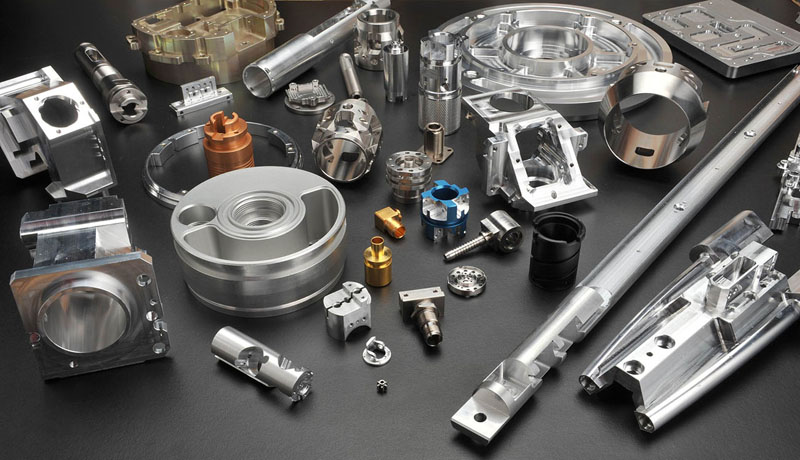
Many engineering projects involve non-standard parts that do not fit neatly into automated or highly standardized production flows. Complex geometries, tight tolerances, or challenging materials require experience-driven decision-making rather than rigid process execution.
Small machining shops often specialize in these types of challenges. Engineers appreciate suppliers who are willing to analyze difficult features, propose alternative approaches, and share machining insights instead of simply rejecting complexity.
For purchasers, this problem-solving mindset reduces supplier churn and increases project stability.
Long-Term Trust Builds Operational Efficiency
Over time, purchasers and engineers develop trust with small machining partners. The supplier learns the company’s quality expectations, documentation requirements, and design philosophy.
This familiarity reduces onboarding effort for new projects, speeds up quoting, and minimizes clarification cycles. The relationship becomes more efficient with each collaboration, which is difficult to replicate with large suppliers that rotate teams or prioritize standardized workflows.
Accountability Is Clear and Immediate
In smaller organizations, accountability is transparent. When issues arise, engineers and purchasers know exactly who to contact and can address problems directly.
Corrective actions are implemented faster because the same team is responsible for machining, inspection, and process improvement. This clear ownership often leads to more effective continuous improvement than complex organizational structures.
Conclusion
For purchasers and engineers, choosing a machining supplier is not about company size—it is about alignment with project needs. Large machining companies offer advantages for high-volume, long-term production, but they are not always the best fit for every situation.
Small machining shops often provide the flexibility, communication clarity, quality focus, and responsiveness that real-world engineering projects demand. In many cases, they are not an alternative to large suppliers, but a strategic complement.
By working with the right small machining partners, purchasers and engineers can reduce risk, improve efficiency, and achieve better outcomes across custom and precision manufacturing projects.